US Labor Market Fluctuations Impact Bitcoin and Crypto Market
By: Eva Baxter
The recent fluctuations in the US labor market have begun to impact the Bitcoin and broader cryptocurrency markets significantly. As US labor data indicates cooling trends, this development has shifted growth expectations and altered market dynamics, creating new macroeconomic pressures. The US unemployment rate has risen from its low 3% range in 2022-2023 to the mid 4% area, reaching its highest level in several years. This shift is accompanied by a slowdown in monthly nonfarm payroll gains from the post-pandemic highs to more modest growth rates. Data from the Bureau of Labor Statistics and Federal Reserve Economic Data underline these trends, threatening the previously positive momentum in the Bitcoin sector. Federal Reserve Data is being closely watched as these changes unfold.
Despite this, Bitcoin has managed to rally over 12% since last week's sharp decline to the $80,000 level, providing a brief respite from intense market capitulation. However, fear and uncertainty persist, driven by what analysts describe as the largest short-term holder capitulation in Bitcoin’s history. For a sustainable recovery, experts stress that Bitcoin must surpass key supply clusters that acting as resistance. Glassnode data indicates that Bitcoin is approaching two significant supply zones, which could determine the trajectory of its price. Ranges between $93,000-$96,000 and $100,000-$108,000 represent crucial barriers where many previous buyers might exit at breakeven, leading to significant sell-side pressure. This situation is a crucial test, and a clean breakthrough of these resistance levels may rejuvenate investor confidence, although failure to do so could perpetuate the downturn.
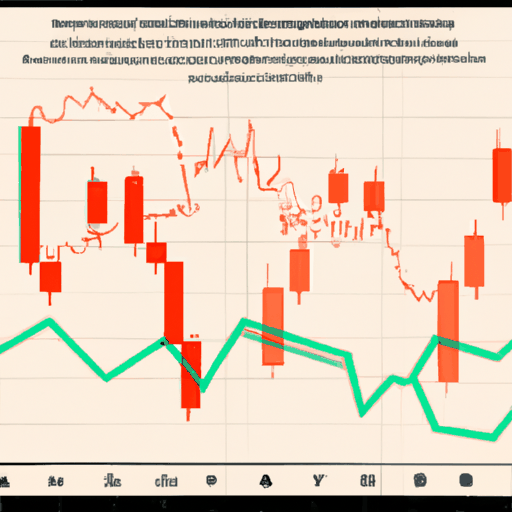
The market remains on edge, as Bitcoin buyers seem to stabilize prices following an aggressive selloff that saw BTC dip to the $80,000 region. This rebound is characterized by a strong weekly candle with a long lower shadow, a classic indication of demand absorption during sell-offs. Despite the ongoing recovery, the broader structure remains tenuous, with BTC trading below crucial moving averages previously serving as support. Currently, the 100-week moving average around the mid-$80,000 region has been pivotal, halting proportional declines and serving as an essential defensive zone for buyers.
Sustained capital influx above thresholds like $92,000-$94,000 could enhance recovery prospects and embolden buyers. On the contrary, another rejection risks further testing $80,000 support levels, reflecting in ongoing elevated capitulation-level trading volumes. Overall, the interaction between macro labor trends and Bitcoin price trajectories underscores the complex interplay of global economic forces shaping the cryptocurrency market.