Samourai Wallet's Co-Founders Receive Prison Sentences
By: Isha Das
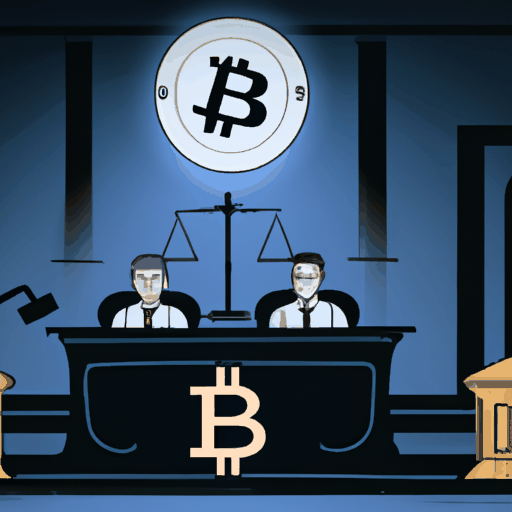
The story of Samourai Wallet's co-founders has taken a dramatic turn as they face serious legal consequences in the United States. Keonne Rodriguez and William Lonergan Hill, the masterminds behind the privacy-focused Bitcoin wallet Samourai Wallet, have been sentenced to significant prison terms for their roles in operating an unlicensed money-transmitting business. The duo's involvement with the non-custodial crypto mixer was deemed to facilitate the concealment of illicit financial transactions.
This landmark case sets a significant precedent in the regulatory landscape surrounding crypto mixers and privacy-focused technology. Rodriguez received a five-year sentence while Hill was sentenced to four years. These sentences were handed down as part of a broader crackdown by the Department of Justice (DOJ) on unlicensed crypto-related activities. The prosecutors argued that the Samourai Wallet, through its CoinJoin mixing service, played a crucial role in obscuring the origin and flow of funds deemed to be associated with criminal activities.
The DOJ's focus on the co-founders and their business model is part of a broader narrative of law enforcement agencies aiming to uphold financial regulations in the digital era. This effort was underscored by US Attorney Nicolas Roos, who emphasized that laundering criminal proceeds, regardless of the medium, would not be tolerated. The case against Samourai Wallet serves as a reminder of the ongoing tension between privacy initiatives in cryptocurrency and regulatory efforts to prevent financial crimes.
In light of these developments, the crypto community is once again reflecting on the balance between privacy features and regulatory compliance. The Samourai Wallet case may influence future interpretations of crypto regulations, particularly concerning services designed to enhance user anonymity. As the crypto industry evolves, stakeholders must navigate these legal challenges while considering the implications for privacy technology.