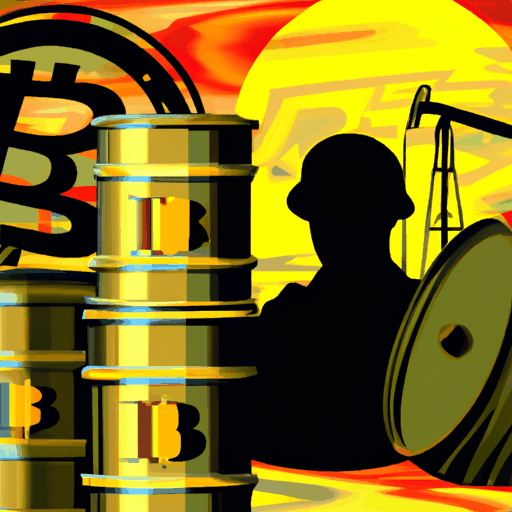
Bitcoin Faces Volatility Amid Oil Supply Concerns and Geopolitical Tensions
By: Isha Das
Bitcoin has recently experienced a decline in value as concerns over oil supply and geopolitical tensions continue to impact markets. The cryptocurrency recently hit a weekly low, with analysts speculating the possibility of Bitcoin falling to an alarming $10,000. This comes as stocks were similarly affected by fears surrounding oil supply disruptions.
The uncertainty around oil supply has been exacerbated by U.S. foreign policy decisions, notably President Donald Trump's address concerning ongoing military actions in Iran. During his speech, Trump indicated that while the military campaign could be nearing completion, further strikes might occur, propelling crude oil prices above $100 a barrel. This volatility also reflects in Bitcoin's recent 2% drop, underscoring the asset's sensitivity to geopolitical stress and energy market fluctuations.
Historically, conflicts in the Middle East dictate market movements where traders shy away from riskier assets like cryptocurrencies, favoring traditional hedges such as oil. The latest developments align with this trend, stirring concerns about prolonged conflicts impacting global energy supplies. Trump’s address also highlighted key demands on Iran regarding its nuclear program and regional activities, with Iran pushing for a permanent resolution and U.S. withdrawal from the region.
The Strait of Hormuz has re-emerged as a focal point, given its strategic role in global oil transportation. Past blockades by Iran suggest potential for continued disruptions until diplomatic solutions are reached. These geopolitical factors converge to elevate crude prices, while Bitcoin and other cryptocurrencies contend with increased market pressures. Coupled with this economic atmosphere, the trajectory for Bitcoin and global markets remains precarious, with sentiments swinging between cautious optimism and apprehension over escalating international tensions. For more information, investors can refer to Bloomberg or Reuters.