Bitcoin Experiences Market Fluctuation Amid Economic Concerns
By: Eva Baxter
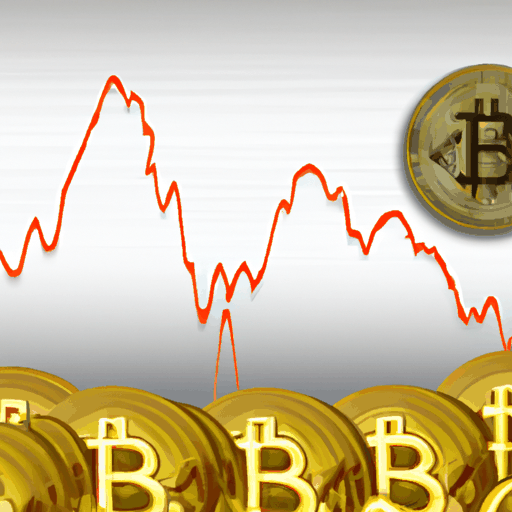
In recent developments, Bitcoin's market performance has witnessed significant volatility. After making a temporary ascent past the $69,000 mark earlier this week, Bitcoin's price retraced to settle around $65,000. This fluctuation aligns with broader market losses impacting key stocks such as CoreWeave and BitMine. These movements were primarily driven by investors' reactions to economic data releases and financial market dynamics.
The recent inflation data, particularly the hotter-than-expected U.S. Producer Price Index (PPI), played a crucial role in shaping the financial landscape, boosting precious metals like gold to a one-month high. As inflation concerns rise, investors tend to shift towards traditionally stable assets like gold, creating downward pressure on Bitcoin. Bitcoin prices dipped nearly 3% as trading opened on Wall Street, illustrating heightened sensitivities to macroeconomic indicators. The U.S. PPI data, signaling rising production costs, has stoked fears of persistent inflation, prompting cautious approaches among investors.
This pattern of capital flight from risk-on assets, like Bitcoin, to more secure investments highlights market sentiments fluctuating in response to economic data. As the Bitcoin market continues to react to these external stimuli, market analysts and traders are closely monitoring future economic reports. They are assessing whether Bitcoin will regain its bullish momentum or if this represents the onset of a broader correction. The intricate dance between Bitcoin and traditional hedging options like gold continues as investors navigate the complexities of modern financial ecosystems.